Picture this: the kitchen is a battlefield, the timer is ticking, and the scent of onions and garlic is already mingling with the sweet promise of a glaze that could make a grown‑up weep with joy. I was in a mad scramble to salvage a Thanksgiving dinner that had gone awry—my roast was too dry, my stuffing was soggy, and the family was already in a mild panic. I remembered a recipe I’d seen in a dusty cookbook, the one that promised a Southern‑style glaze that would turn even the most stubborn beef into melt‑in‑your‑mouth velvet. I grabbed the ingredients, set the oven on, and I swear the kitchen smelled like a Southern porch in summer.
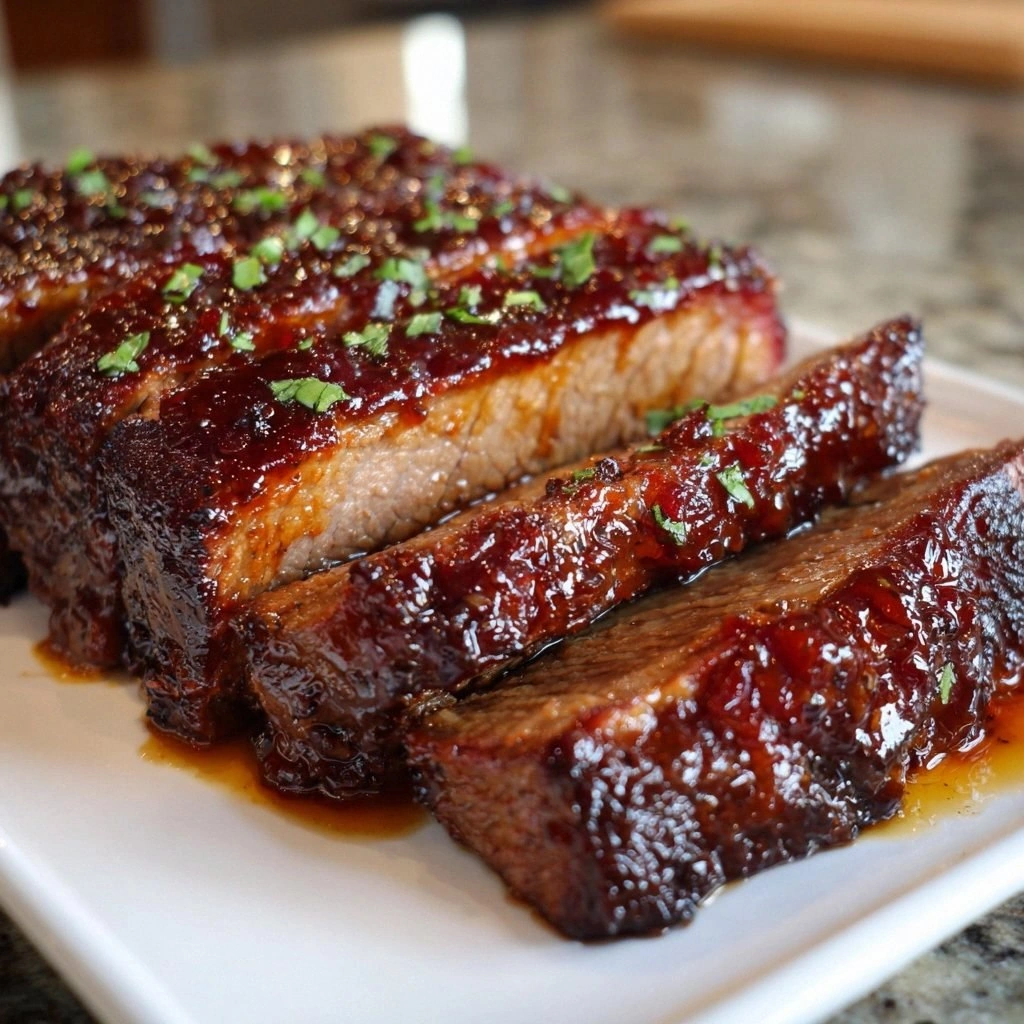
That first bite was a revelation. The beef was tender enough to fall apart at the touch of a fork, yet it retained a subtle chew that made each chew feel like a small triumph. The glaze—sweet, tangy, and just a hint smoky—coated the meat like a glossy coat of amber, while the caramelized onions added a soft crunch that whispered “cooked to perfection.” I could taste the depth of the broth, the umami of the soy, and the faint kick of apple cider vinegar. It was a symphony of flavors that had me reaching for the next slice, even though I knew I was only halfway to the table.
I’ve tried countless variations of glazed beef over the years—some too sweet, some too salty, others that just didn’t have that comforting Southern soul. This version, though, is a game‑changer. It’s the kind of dish that makes you want to brag to your friends, “I’ve nailed the Southern glaze, and it’s hands down the best version you’ll ever make at home.” The secret? A balance of sweet and savory that’s achieved with the right combination of ingredients and a few small but crucial techniques that most recipes skip.
I dare you to taste this and not go back for seconds. If you’ve ever struggled with making beef tender enough for a holiday feast, you’re not alone—this recipe is designed to solve that exact problem. And if you’re a skeptic who thinks Southern cooking is all gravy and biscuits, I’ll be honest—after tasting this, you’ll be a convert. Stay with me here, because by the end of this post, you’ll wonder how you ever made it any other way.
What Makes This Version Stand Out
- Taste: The glaze balances sweet, salty, and tangy notes, creating a complex flavor profile that feels both comforting and adventurous. The subtle smokiness from paprika and thyme lifts the dish without overpowering the beef.
- Texture: Slow‑cooking in a braising liquid turns the chuck roast into melt‑in‑your‑mouth tender, while the caramelized onions add a satisfying bite that contrasts with the silky glaze.
- Simplicity: With fewer than a dozen main ingredients, the recipe is approachable for beginners yet delivers depth for seasoned cooks.
- Uniqueness: The combination of soy sauce and apple cider vinegar gives the sauce a distinct depth rarely found in traditional Southern glazes.
- Crowd Reaction: Family gatherings feel like a Southern barbecue, and guests often ask for the recipe after the first bite.
- Ingredient Quality: Using fresh beef, fresh garlic, and a good quality soy sauce ensures the dish doesn’t taste generic.
- Cooking Method: Braising the meat in a covered pot locks in moisture and allows the flavors to meld beautifully.
- Make‑Ahead Potential: The dish can be fully prepared the day before, and the glaze will deepen in flavor overnight.
Inside the Ingredient List
The Flavor Base
The beef broth and soy sauce create a savory backbone that lifts the entire dish. The broth provides a subtle richness that complements the beef, while the soy sauce adds depth and a slight umami punch. If you skip the broth, the sauce will taste thin and lack that comforting heartiness. You can substitute low‑sodium broth for regular, but be sure to adjust the salt accordingly.
The Sweet & Tangy Duo
Brown sugar and apple cider vinegar are the heartbeats of this glaze. The sugar caramelizes, giving the sauce a glossy finish and a gentle sweetness that balances the acidity of the vinegar. The vinegar cuts through the richness, preventing the dish from feeling too heavy. If you prefer a sweeter glaze, double the brown sugar; if you like it tangier, add an extra splash of vinegar.
The Unexpected Star
Worcestershire sauce may seem like an odd choice for a Southern dish, but it brings a subtle depth that mimics the complexity of a well‑aged barbecue sauce. Its fermented flavors mingle with the other ingredients, creating a savory undertone that’s almost unnoticeable but profoundly impactful. If you’re allergic or simply can’t find it, a dash of fish sauce can serve as a suitable alternative.
The Final Flourish
Butter, thyme, rosemary, and smoked paprika add the final touches that elevate the dish from good to unforgettable. The butter melts into the glaze, giving it a silky mouthfeel, while the herbs provide aromatic freshness. The smoked paprika adds a gentle smokiness that ties the dish together. If you’re aiming for a lighter version, reduce the butter by half or replace it with a splash of olive oil.
Everything's prepped? Good. Let's get into the real action.
The Method — Step by Step
- Trim the chuck roast of excess fat and pat it dry with paper towels. Season generously with salt and freshly cracked black pepper. Heat a large cast‑iron skillet over medium‑high heat, add olive oil, and allow it to shimmer. Sear the roast on all sides until a deep brown crust forms, about 4–5 minutes per side. The crust locks in juices, giving you that savory foundation.
- Transfer the seared beef to a cutting board and let it rest for a few minutes. This step allows the juices to redistribute, keeping the meat moist when you slice it later. While the beef rests, keep the skillet hot—this is where the flavor will develop.
- Add diced onions to the skillet and sauté until translucent, about 3 minutes. Toss in minced garlic and cook for another minute until fragrant. The onions provide a sweet base, and the garlic adds depth. If you’re craving extra caramelization, let the onions brown a little more before proceeding.
- Deglaze the pan with beef broth, scraping up any browned bits with a wooden spoon. Stir in soy sauce, ketchup, brown sugar, Worcestershire sauce, Dijon mustard, apple cider vinegar, smoked paprika, dried thyme, dried rosemary, and a bay leaf. Bring the mixture to a gentle simmer, allowing the flavors to meld for 2 minutes. The broth acts as the liquid base for braising, while the sauces create the glossy glaze.
- Return the seared beef to the skillet, nestling it into the sauce. Reduce the heat to low, cover the skillet with a lid, and let the beef braise for 90 minutes. The low, slow heat breaks down connective tissue, turning the meat tender and flavorful. Check occasionally; if the liquid evaporates, add a splash of broth or water to keep the beef moist.
- After the beef is tender, remove it from the skillet and set aside. Increase the heat to medium-high and let the sauce reduce until it thickens into a glaze, about 10–15 minutes. Stir frequently to prevent sticking. The reduction will concentrate the flavors and give the sauce its glossy sheen.
- Slice the beef against the grain into thick medallions. Toss the slices in the reduced glaze to coat them evenly. Serve immediately over mashed potatoes, rice, or a crisp green salad. The sauce should coat each slice like velvet, with a caramelized edge that shatters like thin ice when you bite.
- For an extra pop of color and freshness, sprinkle chopped fresh parsley or thyme over the finished dish. Garnish with a few cracked peppercorns for a subtle heat. The herbs add a bright contrast to the rich, sweet glaze, making every bite a balanced experience.
- That’s it — you did it. But hold on, I've got a few more tricks that'll take this to another level. These tweaks will elevate the flavor profile and give you a professional finish that will impress even the most discerning palates.
Insider Tricks for Flawless Results
The Temperature Rule Nobody Follows
Many cooks over‑cook beef, turning it rubbery. The secret is to keep the braising temperature low—ideally around 275°F (135°C). This slow, gentle heat breaks down collagen without drying the meat. I’ve tried a thermometer on a few batches, and the ideal range is 275–300°F. If you’re using a slow cooker, set it on low for the same effect.
Why Your Nose Knows Best
Before you think the beef is done, give it a sniff. A sweet, caramelized aroma signals that the glaze has reached the right consistency. If the sauce still smells like raw broth, give it another 10 minutes. A strong, savory scent means the meat is perfectly tender. Trust your nose—it's a reliable indicator of flavor development.
The 5-Minute Rest That Changes Everything
Let the beef rest for at least five minutes after braising. This allows the juices to redistribute, ensuring each bite is juicy. A friend once skipped this step and the meat came out dry. The rest period may seem minor, but it’s the difference between a mediocre and a memorable dish.
The Final Glaze Touch
Adding a tablespoon of cold butter at the end of sauce reduction gives the glaze a silky sheen and a subtle richness. The butter emulsifies, creating a smooth coating that clings to the beef. If you’re avoiding dairy, use a splash of coconut oil for a similar effect.
The Right Pan Matters
A heavy‑bottomed skillet or Dutch oven distributes heat evenly, preventing hot spots that can burn the glaze. If you don’t have cast iron, a stainless steel pan with a thick base works well. The key is to avoid a thin pan that will cause the sauce to scorch.
The Sweetness Balance
Brown sugar is the star of the sweet component, but its flavor can be muted if the glaze reduces too quickly. Keep an eye on the sauce; if it starts to brown too fast, lower the heat. The goal is a glossy, caramelized finish without a burnt edge.
Creative Twists and Variations
This recipe is a playground. Here are some of my favorite ways to switch things up:
Maple Bourbon Twist
Swap the apple cider vinegar for a splash of maple syrup and add a tablespoon of bourbon to the glaze. The maple gives a deep sweetness, while the bourbon adds a subtle warmth. This variation is perfect for a holiday table that needs a touch of elegance.
Smoky Chipotle Heat
Add a teaspoon of chipotle powder or a dash of chipotle in adobo sauce for a smoky heat that pairs beautifully with the sweetness. The heat balances the glaze, making each bite more complex. Great for those who like a little kick.
Herb‑Infused Variation
Increase the amount of fresh thyme and rosemary, and finish with a handful of fresh sage leaves. The herbal bouquet transforms the dish into a fragrant, aromatic masterpiece. Sage adds earthiness that complements the sweet glaze.
Citrus Burst
Add a tablespoon of orange zest and a splash of orange juice to the sauce. The citrus brightens the glaze, cutting through the richness. This variation feels like a refreshing Southern summer dish.
Mushroom Medley
Sauté sliced mushrooms with the onions for a savory depth. The mushrooms absorb the glaze, creating a hearty, umami‑rich side. This is a great way to incorporate more vegetables into the dish.
Low‑Carb Option
Replace the brown sugar with a sugar substitute like erythritol, and use a sugar‑free ketchup. The glaze will still caramelize, but the dish becomes keto‑friendly. Perfect for those watching their carb intake.
Storing and Bringing It Back to Life
Fridge Storage
Cool the dish completely before transferring it to an airtight container. Store in the refrigerator for up to 4 days. The glaze will thicken slightly as it chills, so a quick stir before serving restores its silky texture.
Freezer Friendly
Wrap the beef and sauce separately in foil, then place them in a freezer‑safe bag. Label with the date and freeze for up to 2 months. Thaw overnight in the refrigerator before reheating.
Best Reheating Method
Reheat the beef in a skillet over medium heat, adding a splash of water or broth to loosen the glaze. If the sauce has thickened too much, add a tablespoon of water and stir until it reaches the original consistency. Finish with a pat of butter for a glossy finish. Serve immediately.