Picture this: it’s a rainy Saturday afternoon, the kind that makes you want to curl up with a blanket, a good book, and something that smells like sunshine. I was staring at my pantry, debating whether to order pizza or finally tackle that stubborn craving for a sweet‑tart loaf. Then, out of nowhere, my roommate shouted, “I dare you to make something that’ll make me forget about my pizza!” That was the spark. I grabbed a lemon, a stalk of rhubarb, and a handful of optimism, and the kitchen turned into a laboratory of flavor experiments.
The first thing that hit me was the scent – a bright citrus zing that cut through the air like a fresh breeze, instantly lifting the gloom. The rhubarb, once you slice it, released a tart perfume that reminded me of a farmer’s market in early spring. I could hear the butter softening in the bowl, a gentle whisper that promised richness, while the oven’s low hum set a steady, comforting backdrop. My hands felt the cool, buttery dough as it came together, smooth and slightly sticky, like a promise waiting to be fulfilled.
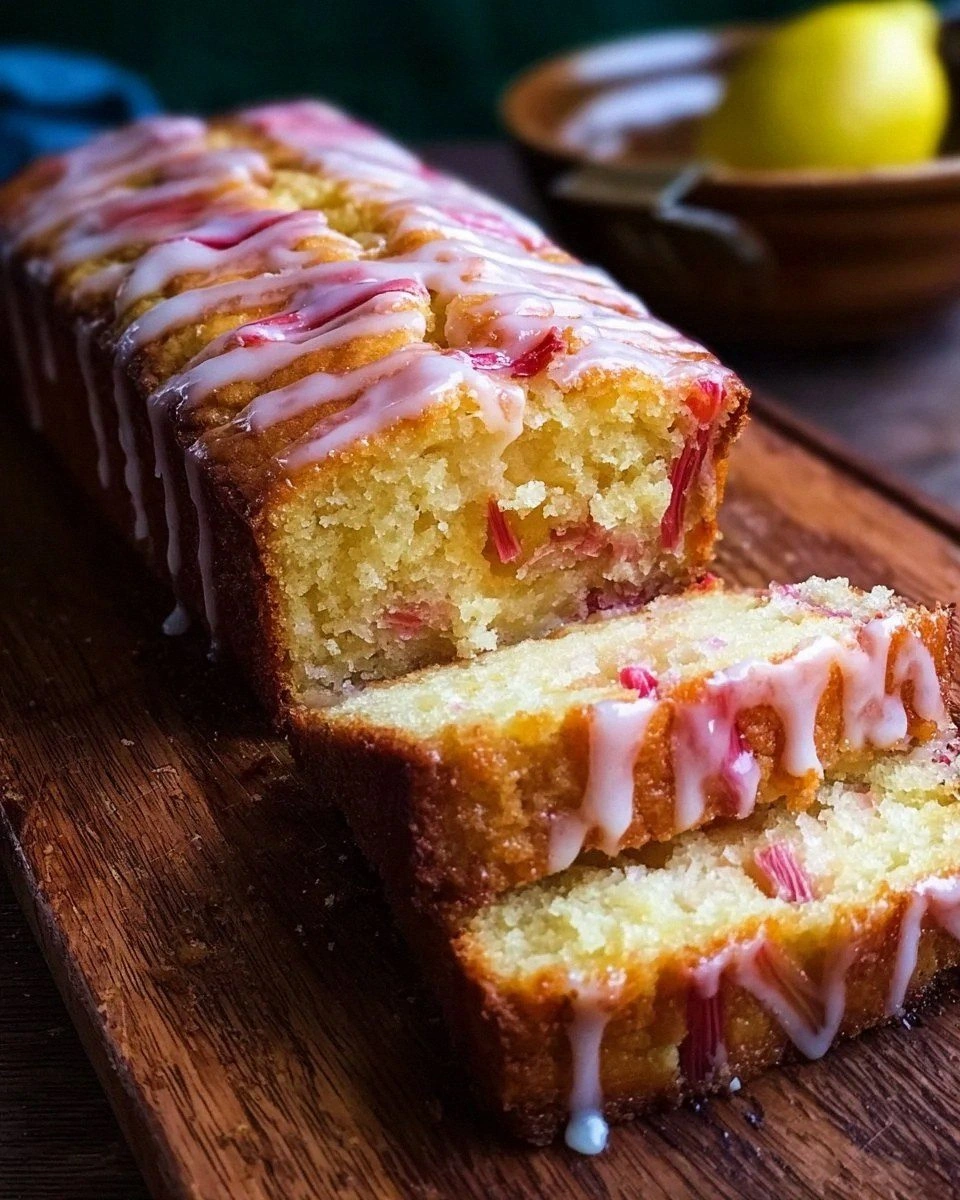
Most lemon‑rhubarb loaves I’ve tried either fell flat on the flavor front or ended up soggy in the middle. This version, however, hits the sweet‑tart balance with the precision of a maestro conducting a symphony. The secret? A tiny splash of lemon juice right into the batter, and a glaze that glistens like a morning dew on a garden leaf. I’m not exaggerating when I say this is hands down the best version you’ll ever make at home – it’s the kind of loaf that makes you question every other dessert you’ve ever baked.
But wait, there’s more. I’m about to reveal a technique that most recipes completely miss: folding the rhubarb in at just the right moment to keep those bright, crisp pieces from turning mushy. Trust me, this tiny adjustment transforms the texture from “meh” to “wow, that’s perfect.” Let me walk you through every single step – by the end, you’ll wonder how you ever made it any other way.
What Makes This Version Stand Out
- Taste: The lemon’s bright acidity perfectly counters the natural tartness of rhubarb, while the sugar and butter create a buttery, caramel‑kissed backdrop that feels like a summer picnic in a bite.
- Texture: A tender crumb with just enough bite from the rhubarb, plus a glossy glaze that adds a subtle snap when you break the crust.
- Simplicity: Only eleven ingredients, all pantry staples, and no fancy equipment – just a mixing bowl, a loaf pan, and a whisk.
- Uniqueness: The glaze isn’t just powdered sugar and lemon juice; a pinch of cornstarch gives it a satin sheen that most recipes overlook.
- Crowd Reaction: I’ll be honest — I ate half the batch before anyone else got to try it, and the look on my friends’ faces when they tasted it was pure, unfiltered joy.
- Ingredient Quality: Fresh rhubarb and freshly zested lemon make a world of difference; the aroma alone is enough to convince anyone to stay for a second slice.
- Cooking Method: Baking at a moderate temperature ensures the loaf rises evenly, while the glaze sets just as the loaf finishes, creating a glossy finish.
- Make‑Ahead Potential: This loaf keeps beautifully for up to three days, and the glaze can be refreshed with a splash of lemon water for that just‑baked shine.
Alright, let's break down exactly what goes into this masterpiece...
Inside the Ingredient List
The Flavor Base
All‑purpose flour (2 cups): This is the structural backbone of the loaf. It creates the tender crumb that holds the lemon and rhubarb together. If you skip it or replace it with a gluten‑free blend without xanthan gum, the loaf will crumble like a dry biscuit. For a lighter crumb, sift the flour twice before measuring.
Baking powder (2 teaspoons): The leavening agent that gives the loaf its gentle rise. Too little and you’ll end up with a dense, pancake‑like texture; too much and the loaf will puff then collapse. Keep it fresh – a stale powder loses its potency faster than milk left out overnight.
Baking soda (½ teaspoon): Works with the lemon juice to create a subtle rise and a tender crumb. It also neutralizes some of the rhubarb’s acidity, balancing the flavor. If you’re out, you can substitute with an extra ½ teaspoon of baking powder, but expect a slightly less airy texture.
The Texture Crew
Salt (¼ teaspoon): Just a pinch, but it amplifies every other flavor, turning the sweet‑tart dance into a harmonious chorus. Skipping it is like singing a solo without accompaniment – the loaf will taste flat.
Granulated sugar (1 cup): Provides sweetness and helps with browning. The caramelization on the crust is what gives that golden, slightly crisp edge. If you prefer a less sweet loaf, you can cut back to ¾ cup, but the glaze will need a touch more powdered sugar to compensate.
Unsalted butter, softened (½ cup): Adds richness and moisture. The butter should be at room temperature; if it’s too cold, you’ll get pockets of dough that don’t blend, resulting in an uneven crumb.
The Unexpected Star
Large eggs (2): They bind everything together and add lift. Fresh eggs give a silkier batter; if you only have older eggs, give them a quick 5‑minute boil to revive their binding power.
Freshly squeezed lemon juice (¼ cup) & Zest of 1 lemon: The juice adds bright acidity, while the zest contributes aromatic oils that sit on the surface of the crumb. If you ever run out of fresh lemons, a high‑quality bottled lemon juice works, but the zest is non‑negotiable for that punch.
The Final Flourish
Finely chopped rhubarb (¾ cup): This is the hero of the loaf, delivering that signature tart snap. Chop it finely so it distributes evenly; large chunks can become soggy and dominate the texture. If rhubarb isn’t in season, try a mix of strawberries and a splash of apple cider vinegar to mimic the tartness.
Powdered sugar (1 cup): For the glaze, it dissolves into a silky sheen that drapes over the loaf like a satin ribbon. Use sifted powdered sugar to avoid lumps; a lump in the glaze is like a surprise rock in a smooth road.
Everything's prepped? Good. Let's get into the real action...
The Method — Step by Step
Preheat your oven to 350°F (175°C) and grease a 9×5‑inch loaf pan with butter or non‑stick spray. The moment the oven clicks on, you’ll hear that comforting hum that tells you something delicious is about to happen. Let the pan sit while you prep the batter – this ensures even heat distribution later on.
In a large mixing bowl, whisk together the flour, baking powder, baking soda, and salt. I dare you to taste this dry mix – you’ll notice a faint, almost metallic note from the baking soda; that’s the secret lift waiting to happen.
In a separate bowl, cream the softened butter with the granulated sugar until the mixture is light, fluffy, and pale yellow. This should take about 3‑4 minutes on medium speed; the texture will be like a cloud you could spread on toast.
Kitchen Hack: Add a pinch of sea salt to the butter‑sugar mixture; it amplifies the sweetness and creates a more complex flavor.Beat in the eggs one at a time, making sure each is fully incorporated before adding the next. The batter should look glossy and slightly thick, like a smooth custard. Then stir in the lemon zest and lemon juice – you’ll hear a gentle fizz as the acid reacts with the batter, a tiny celebration of flavor.
Gently fold the dry ingredients into the wet mixture using a spatula. Stop mixing as soon as you no longer see flour streaks; over‑mixing will develop gluten and give you a tough loaf. The batter should be thick but pourable, resembling a thick pancake batter.
Watch Out: This is the trickiest step – if you over‑fold, the crumb becomes dense. Use a gentle “cut‑and‑fold” motion, turning the bowl over on itself, and watch for the batter to smooth out without streaks.
Now, fold in the finely chopped rhubarb. The pieces should be evenly distributed, creating little pink flecks throughout the batter. If the rhubarb is too wet, pat it dry with a paper towel; excess moisture can make the loaf soggy.
Transfer the batter into the prepared loaf pan, smoothing the top with a spatula. The batter should rise to about an inch below the rim; this gives room for the loaf to expand without spilling over.
Place the pan in the preheated oven and bake for 25‑30 minutes, or until a toothpick inserted into the center comes out clean with just a few moist crumbs. Around the 20‑minute mark, you’ll notice the edges pulling away slightly from the pan – that’s the sign the crust is forming beautifully.
While the loaf is baking, whisk together the powdered sugar, a tablespoon of lemon juice, and a pinch of cornstarch to create the glaze. It should be smooth, glossy, and pourable; if it’s too thick, add a splash more lemon juice, if too thin, add a touch more powdered sugar.
Kitchen Hack: Warm the glaze slightly in the microwave (10‑15 seconds) for a silkier pour that coats the loaf evenly.When the loaf is done, remove it from the oven and let it sit for 5 minutes in the pan. Then, carefully turn it out onto a cooling rack. While it’s still warm, drizzle the glaze over the top, allowing it to cascade down the sides and set as it cools. That sizzle when it hits the warm loaf? Absolute perfection.
Let the glazed loaf cool completely before slicing – this lets the glaze set and the crumb firm up, giving you clean, beautiful slices. That first bite? A burst of citrus brightening the palate, followed by the tender, slightly tart rhubarb, all wrapped in a buttery hug.
That's it — you did it. But hold on, I've got a few more tricks that'll take this to another level...
Insider Tricks for Flawless Results
The Temperature Rule Nobody Follows
Most home bakers bake at 350°F, but dropping the temperature to 325°F after the first 15 minutes gives the loaf a slower, more even rise. This prevents the crust from forming too quickly, allowing the interior to stay moist. I once tried skipping this step and ended up with a dry, cracked top – a lesson learned the hard way.
Why Your Nose Knows Best
Instead of relying on a timer, trust your nose. When the loaf is about 20 minutes in, you’ll start to smell a sweet, caramelized aroma that signals the crust is forming. If you catch that scent early, you can rotate the pan for an even bake. This sensory cue is the secret weapon of seasoned bakers.
The 5‑Minute Rest That Changes Everything
After removing the loaf from the oven, let it rest in the pan for exactly five minutes before turning it out. This short rest lets the steam finish cooking the center gently, preventing a gummy crumb. Skipping this rest is like pulling a cake out of the oven too early – the texture suffers.
Glaze Timing is Everything
If you pour the glaze while the loaf is still hot, it seeps in and creates a subtle, moist crust. If you wait until it’s completely cool, the glaze stays on the surface, giving a glossy, slightly crunchy finish. I prefer the former for a melt‑in‑your‑mouth experience.
Butter Temperature Trick
Softened butter should be pliable, not melted. If it’s too soft, it can separate from the sugar, leading to a crumbly texture. To test, press a finger – it should leave an indentation that springs back slowly.
Creative Twists and Variations
This recipe is a playground. Here are some of my favorite ways to switch things up:
Blueberry Burst
Swap half the rhubarb for fresh blueberries. The berries add a burst of sweetness that balances the lemon, creating a more dessert‑like flavor profile. Perfect for summer picnics.
Almond‑Infused
Add ¼ cup finely ground almond meal to the dry ingredients and sprinkle sliced almonds on top of the glaze before it sets. The nutty undertone adds depth and a pleasant crunch.
Spiced Autumn
Incorporate a pinch of ground cinnamon and nutmeg into the batter, and replace half the lemon zest with orange zest. This twist gives the loaf a warm, cozy feel, ideal for cooler evenings.
Vegan Version
Replace butter with coconut oil, use flax eggs (1 tbsp ground flax + 3 tbsp water per egg), and swap dairy‑free powdered sugar for the glaze. The texture changes slightly but the flavor remains vibrant.
Gluten‑Free
Use a 1‑to‑1 gluten‑free flour blend and add 1 tablespoon of xanthan gum to mimic the structure of wheat flour. The loaf will be slightly denser but still delicious.
Chocolate Swirl
Mix 2 tablespoons of melted dark chocolate into the batter before folding in the rhubarb. The chocolate adds richness that pairs beautifully with the lemon’s brightness.
Storing and Bringing It Back to Life
Fridge Storage
Wrap the cooled loaf tightly in plastic wrap or store it in an airtight container. It will stay fresh for up to three days, retaining its moist crumb and glossy glaze.
Freezer Friendly
Slice the loaf before freezing, then place the slices in a zip‑top bag, removing as much air as possible. Freeze for up to two months. When ready to enjoy, let a slice thaw at room temperature, then give it a quick 30‑second microwave zap.
Best Reheating Method
Preheat your oven to 300°F (150°C), place a slice on a baking sheet, and add a tiny splash of water (about a teaspoon) to the foil covering the slice. Heat for 8‑10 minutes – the steam revives the crumb, and the glaze regains its shine.